


Understanding HIV
What is HIV?
Human Immunodeficiency Virus (HIV) is a virus that targets and weakens the body's immune system. Specifically, HIV attacks key immune cells called CD4 cells, which help your body fight off day-to-day infections.
Inside the CD4 cell, HIV replicates itself, damaging and destroying the cell. Without effective medical treatment, the immune system becomes too weak to defend against illnesses, eventually leading to AIDS (Acquired Immunodeficiency Syndrome).
How HIV Spreads
HIV is found in specific body fluids of people living with the virus:
- Blood
- Semen
- Vaginal and rectal fluids
- Breastmilk
Primary Transmission Routes
- Unprotected Sex: Having vaginal or anal sex without a condom with someone living with HIV.
- Sharing Injecting Equipment: Sharing needles, syringes, surgical tools, or sharp instruments contaminated with HIV-infected blood.
- Mother-to-Child Transmission: Passing the virus from an HIV-positive mother to her infant during pregnancy, childbirth, or breastfeeding.
- Blood Transfusions: Receiving unscreened, contaminated blood or blood products.
Important Reality: You cannot catch HIV through casual contact like hugging, shaking hands, sharing food or eating utensils, sitting on toilet seats, or through mosquito and insect bites.
2. Recommended Prevention Practices for Youth & High-Risk Groups
Protecting yourself and your partners against HIV requires proactive, everyday health choices:
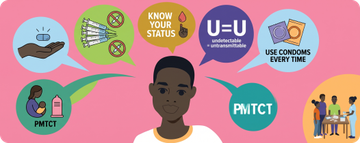
- Stay Safe with Condoms: Use a new male or female condom every single time you have sex. Set firm personal boundaries: "No condom, no sex."
- Practice Safe Injection Standards: Always use a new, sterile needle and syringe every time you inject drugs or medicines. Never share needles, syringes, or injecting tools with anyone.
- Know Your Status: Visit a Ministry of Health and Medical Services site for free, confidential HIV testing. Getting tested is quick, private, and the only way to know your status.
- Pre-Exposure Prophylaxis (PrEP): If you are at ongoing high risk for HIV, ask a healthcare provider about PrEP, a daily medication that prevents HIV infection.
- Post-Exposure Prophylaxis (PEP): If you believe you were recently exposed to HIV (e.g., through unprotected sex or an accidental needle-stick), visit a health center immediately. PEP must be started within 72 hours of exposure to prevent infection.
- U=U (Undetectable = Untransmittable): A person living with HIV who takes antiretroviral therapy (ART) daily as prescribed and achieves an undetectable viral load cannot pass HIV to their sexual partners.
- Seek Support & Speak Up: Use youth-friendly health services, join harm reduction and peer education programs, access mental health care, and stand up against HIV stigma. Health is your human right.
3. Living Well with HIV
Having HIV is not the end of the world. With modern medical advancements, people living with HIV can lead long, healthy, and fulfilling lives:
- Effective Treatment (ART): Antiretroviral therapy keeps the virus under control, allowing your immune system to rebuild and protect you from illnesses.
GENERAL ENQUIRIES
Contact your nearest health center or hospital for confidential testing, counseling, and treatment services.
- Immediate Start: If you test positive, starting ART right away keeps you healthy and protects those you care about.
 Facebook
 X
X
 LinkedIn
 WhatsApp
 Email
Email
 Copy Link
Average Rating: ☆ ☆ ☆ ☆ ☆ (0 reviews)