


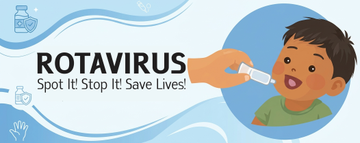
Rotavirus: Spot It, Stop It, Save Lives
Rotavirus is a highly contagious virus that can cause severe watery diarrhoea, vomiting and dehydration, especially in babies and children under 5 years of age. Early action saves lives.
⚠️ Do not wait when danger signs appear.
💧 Watery diarrhoea
🤮 Vomiting
🌡️ Fever
🤢 Stomach pain or discomfort
😴 Weakness, tiredness or unusual fussiness
🚰 Signs of dehydration, such as dry mouth, few or no tears, reduced urination or unusual sleepiness
🦠 How rotavirus spreads
Rotavirus spreads when virus particles from stool enter the mouth. This can happen through contaminated hands, food, water, surfaces or objects. Good hygiene helps reduce the risk of spread.
👨👩👧👦 What families and caregivers should do
- ⚡ Act early. Give ORS at the first sign of diarrhoea and keep offering safe fluids frequently.
- 👁️ Watch the child closely. Continue observing the child during illness and recovery, and follow the advice of a trained health worker.
- 🤝 Share caregiving responsibilities. Family members can help with transport, feeding, cleaning and hygiene.
🚨 When to seek urgent care
Seek care urgently if a child cannot drink, vomits repeatedly, has sunken eyes, blood in the stool, unusual sleepiness, reduced urination, dry mouth, few or no tears, or any other sign of dehydration. Continue giving ORS and safe fluids while seeking help, if the child is able to drink.
🥤 Using ORS correctly
⏰ When to use ORS: Give oral rehydration solution at the first sign of diarrhoea or vomiting to replace fluids and salts lost from the body.
🥣 How to prepare ORS: Mix one packet of ORS with the recommended amount of safe drinking water, following the instructions on the packet.
🥛 How to give ORS: Give small, frequent sips, especially after each episode of diarrhoea or vomiting. Follow the advice of a trained health worker.
🥗 Nutrition during illness and recovery
🤱 Continue breastfeeding during illness and recovery.
🍲 Continue age-appropriate feeding. Offer small, frequent meals and fluids.
💪 After illness, offer extra nutritious food to help the child regain strength and reduce nutrition risk.
🍎 Use locally available nutritious foods such as fruits, vegetables, fish, eggs, legumes and fortified foods where available.
📈 Use routine health services to monitor growth and nutrition.
🧼 Water, sanitation and hygiene
🧼 Wash hands with soap and water after using the toilet, after cleaning a child, before preparing food and before feeding children.
🚰 Use safe drinking water and store it in a clean, covered container.
🚽 Safely dispose of children’s faeces in a toilet or latrine.
🧹 Keep household and food preparation areas clean.
🧺 Wash fruits and vegetables before eating or preparing them.
💉 Vaccination protects children
Rotavirus vaccine is the best protection against severe rotavirus illness and helps reduce the risk of hospitalisation from dehydration. Families should complete routine immunization, including all recommended doses of rotavirus vaccine according to the national schedule.
🗓️ Follow the national immunization schedule for rotavirus vaccine.
✅ Check each child’s vaccination status and attend scheduled immunization appointments.
🏥 If a dose may have been missed or you are unsure, visit the nearest health clinic or speak with a trained health worker for advice.
👥 How families and communities can help
👨👦 Fathers, male caregivers and other family members can help caregivers act quickly when a child becomes unwell.
🏫 Schools and child-friendly spaces should provide clean, safe settings that support children’s health.
🗣️ Adolescents and youth can set a positive example and share only verified health information.
🏛️ Community and faith leaders can reinforce trust in health services and official health guidance.
🚫 What to avoid
🛑 Do not wait for diarrhoea or repeated vomiting to stop on its own. Get help when warning signs appear.
💊 Do not use antibiotics or other medicines without advice from a health professional. Medicines should only be used when recommended by a trained health worker.
❌ Do not stop breastfeeding or withhold food during diarrhoea. Children need continued nutrition during illness and recovery.
🥤 Do not replace ORS with sugary drinks or soft drinks. These are not substitutes for proper rehydration.
🚯 Do not practise open defecation or unsafe disposal of children’s faeces. These practices increase the risk of spreading illness.
📵 Do not share unverified health claims, rumours or remedies online. Use trusted health workers and official sources for information.
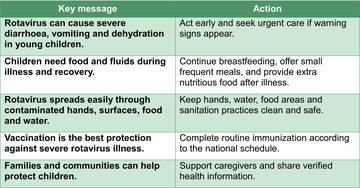
📌 Key messages and actions
 Facebook
 X
 LinkedIn
 WhatsApp
 Email
 Copy Link
Average Rating: ☆ ☆ ☆ ☆ ☆ (0 reviews)